
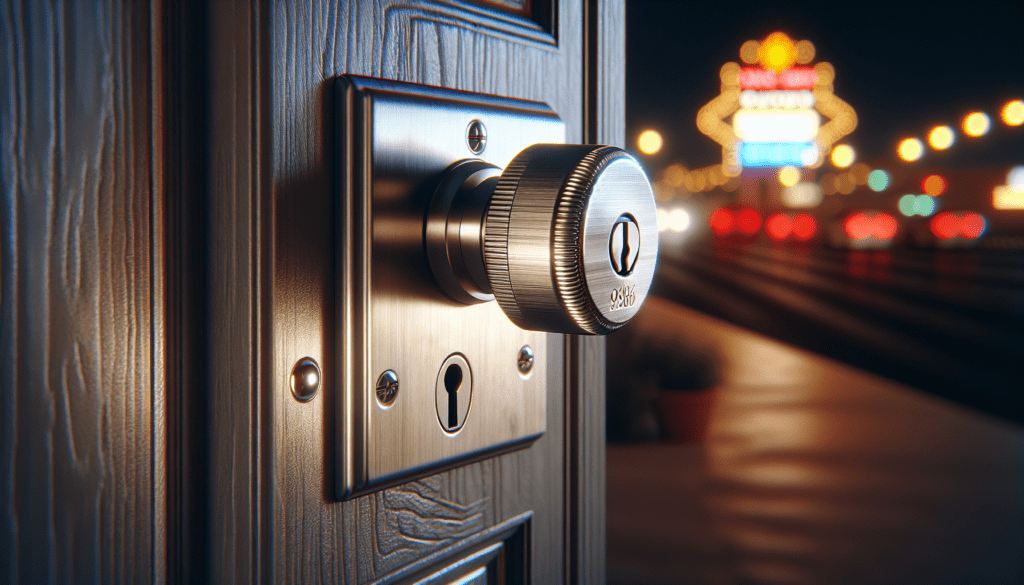
Are you worried that your Las Vegas home might be an easy target for burglars and not sure what to do first?
10 Ways Burglars Target Homes In Las Vegas (And How To Stop Them)
You’ll see the most common tactics burglars use in Las Vegas neighborhoods and what practical steps you can take to block those tactics. Each section explains how the threat works and gives specific, actionable countermeasures you can implement right away.
Why Las Vegas Homes Are Targeted
Las Vegas has a busy mix of year-round residents, seasonal visitors, and rental properties, which creates opportunities for burglars to blend in. Climate, tourism, and neighborhoods with varied occupancy patterns can make some homes more attractive or vulnerable unless you take security seriously.
How Burglars Pick a Target
You’ll want to understand that burglars often look for the easiest and quickest opportunities with the least chance of being seen. They typically scout for predictable patterns, poor visibility, weak locks, and obvious signs that no one is home.
1. Unattended or Obvious Vacancies (Vacation Homes and Short-Term Rentals)
Many burglars watch for houses that appear empty for extended periods, especially in areas with short-term rentals or seasonal absences. If your home looks vacant, you increase the chance that someone will check doors, windows, and garages looking for valuables.
How to stop it:
- Use timers for indoor lights, TVs, and radios so the house looks occupied during evenings and early mornings.
- Arrange for someone to collect mail and packages or have the postal service hold mail; overflowing mail is a classic signal that nobody is home.
- Put landscaping and exterior maintenance on a schedule so grass, plants, and trash bins don’t give away long absences.
- Consider smart home devices that allow you to control lights and cameras remotely so you can make your house look lived-in while you’re away.
2. Poor Exterior Lighting and Blind Spots
Burglars prefer to work where they can avoid being seen. Dark porches, unlit side yards, and blind spots behind bushes or walls give them cover. In Las Vegas, nights can be long and quiet in certain areas, which makes good exterior lighting a high-impact defense.
How to stop it:
- Install motion-activated floodlights at entry points, garages, and dark corners of your yard.
- Use warm or daylight LED bulbs for consistent, maintenance-free lighting.
- Keep shrubs and trees trimmed so they don’t create hiding places near windows and doors.
- Position lights so they illuminate walkways and entries without creating glare that blinds cameras.
3. Weak or Outdated Locks (including lock bumping)
Many home break-ins involve simply manipulating or forcing poor quality locks. Lock bumping, picking, or brute force against cheap deadbolts remains a common method. If your front door has an old or standard-grade lock, you should assume it’s a vulnerability.
How to stop it:
- Upgrade to high-security, bump-resistant deadbolts and cylinder locks; consider hardware rated by ANSI (American National Standards Institute).
- Use a secondary lock like a heavy-duty strike plate with 3-inch screws so the door frame won’t split under force.
- Rekey or replace locks when you move into a new home, after a roommate moves out, or if keys are lost.
- Hire a licensed locksmith to inspect your current locks and recommend bump-proof or high-security alternatives such as Medeco, Mul-T-Lock, or other certified options.
4. Unsecured Sliding Doors and Windows
Sliding doors and ground-floor windows are common entry points because they’re easy to bypass or lift out of their tracks. In the Las Vegas climate, many homes have sliding patio doors that lead directly from living spaces to private yards, making them attractive for quick entries.
How to stop it:
- Install anti-lift devices and a solid security bar or metal rod in the track to prevent sliding doors from being forced open.
- Use window pins or secondary locks on windows so they can’t be lifted or pried open from the outside.
- Apply shatter-resistant film to glass doors and windows to slow an intruder and deter smashing.
- Consider laminated or tempered glass upgrades during renovations for longer-term security gains.
5. Garage and Side-Entrance Vulnerabilities
Garages and side doors often receive less security attention than the front door, but they give direct access to the interior and stored items. Burglars will test garage doors and side entrances because they’re frequently left unlocked or have weaker locks.
How to stop it:
- Always lock the door between the garage and house; treat garage doors like exterior doors.
- Install a deadbolt or high-security lock on side entrance doors, and consider a reinforced strike plate.
- Use rolling-code garage door openers and disable any obvious keypad codes or default passwords.
- Secure garage windows with frosted film and sensors linked to your alarm system.
6. Social Media Oversharing and Predictable Patterns
If you regularly share your travel plans or tell a wide circle that you’ll be away, burglars can use that information to time break-ins. You’ll want to assume information you post online is public, even if your account settings are private.
How to stop it:
- Pause public posts about upcoming trips, and avoid posting real-time photos while you’re away.
- Adjust privacy settings and be selective about who can see posts and tagged locations.
- Ask a trusted neighbor to pick up packages and keep the driveway appearing used—then post updates after you return rather than while you’re gone.
- Use scheduled posts for content you want to share while away, but don’t reveal travel details or home absence.
7. Package Theft and Porch Pirates
Package theft has risen in many cities, and Las Vegas is no exception. Deliveries sitting on porches are tempting targets when visitors or residents aren’t home, and they can also indicate that occupants aren’t present.
How to stop it:
- Require signature delivery for valuable packages or choose secure pickup locations.
- Use a smart lock with package delivery codes or a porch box that accepts deliveries with a locked compartment.
- Install a doorbell camera or a porch camera to deter theft and capture evidence if something is taken.
- Coordinate delivery times with neighbors who can accept packages or use courier lockers.
8. Fake Service Personnel and Distraction Techniques
Burglars sometimes work in pairs or small teams where one person distracts a resident—posing as a delivery driver, utility worker, or salesperson—while another gains access. This tactic often works when you’re polite and try to be helpful.
How to stop it:
- Always ask for identification and call the company using an independently verified phone number before letting anyone in.
- Keep doors locked and use a doorbell camera or intercom so you can verify a visitor without opening the door.
- Teach family members, roommates, and elderly relatives to never let strangers into the home without verification.
- If something feels off, close the door and call the police—your instinct can prevent a staged entry.
9. Lock Picking and Master Key Exploits in Multi-Unit Buildings
In condos, apartments, and multi-unit buildings, burglars may attempt lock picking or exploit weak master key systems. If building management uses poor master key control or residents share keys casually, you’re exposed.
How to stop it:
- Push building management to use high-security cores (IC Core) and controlled master key systems with restricted key duplication.
- If you live in a complex, request that common-access doors have monitored or keyed entries and that physical keys are tracked by management.
- When possible, rekey your individual unit when moving in, or ask for the locks to be changed if keys might be duplicated.
- Consider a secondary deadbolt or smart-lock solution that doesn’t rely solely on the building’s master key system.
10. Opportunistic Theft Through Unlocked Doors and Windows
Sometimes a break-in is simply opportunistic: a door left unlocked, a window propped open, or a back gate ajar. Busy lifestyles and trusting habits can make you forget basic steps that would otherwise prevent quick entry.
How to stop it:
- Develop an “exit checklist” routine: lock all doors, close windows, secure gates, and arm your alarm before leaving the house.
- Place visible reminders near doors—like a small sign or a checklist by the front door—to ensure you lock up.
- Install alarm sensors on doors and windows that trigger an immediate audible alarm and mobile notifications.
- Use a professional locksmith to walk through your entry points and recommend fixes for any easy access points.
Quick Reference Table: Methods vs. Immediate Fixes
The table below gives a rapid snapshot so you can quickly match a common intrusion method to your best first actions.
| Burglary Method | Immediate Steps You Can Take Today |
|---|---|
| Vacant appearance | Set timers, stop mail, ask neighbor to maintain exterior |
| Poor lighting | Add motion lights, trim vegetation |
| Weak locks/lock bumping | Rekey, install bump-proof deadbolts, call locksmith |
| Sliding doors/windows | Install anti-lift devices, security bars, film |
| Garage/side entry | Lock interior garage door, upgrade locks, secure keypad |
| Social media oversharing | Don’t post travel in real time, tighten privacy |
| Package theft | Require signature, use cameras, schedule deliveries |
| Fake service/distraction | Verify IDs, use intercom/camera, call company |
| Master key exploits | Ask management to upgrade cores, rekey unit |
| Unlocked doors/windows | Use exit checklist, sensors, alarms |
Types of Locks and How They Compare
Choosing the right lock matters. This table helps you weigh common home lock options by security, cost, and recommended use.
| Lock Type | Security Level | Usual Cost Range | Best Use |
|---|---|---|---|
| Standard cylindrical deadbolt | Medium | $30–$100 | Basic residential doors (replace if >10 years) |
| Grade 1 commercial deadbolt | High | $80–$200+ | Exterior doors, high-traffic entries |
| High-security keyed cylinder (restricted keyway) | Very High | $150–$400+ | When key control and bump resistance are priorities |
| Smart lock (Bluetooth/Wi-Fi) | Medium–High (depends on model) | $100–$300 | Remote lock control and access logs |
| Mortise lock | High | $150–$350+ | Solid doors and historic homes with reinforced frames |
| Padlock + hasp (for gates) | Variable | $20–$150+ | Exterior gates and sheds (use weatherproof, hardened steel) |
What to Do Immediately if You Suspect a Break-In
If you return and suspect someone has been in your home, your safety comes first. You’ll want to act calmly and quickly to preserve evidence and protect yourself.
Immediate steps:
- If you think the intruder is still inside, leave immediately and call 911 from a safe location.
- Do not touch anything or walk through the house if you suspect a crime scene; preserve fingerprints and other evidence.
- Call the police and provide a clear description of what seems missing or out of place.
- Contact a 24-hour locksmith to secure broken locks or replace damaged doors. A professional can make emergency repairs and rekey locks quickly to prevent repeat entry.
- Make a list of stolen items with serial numbers and photos if possible to provide to police and your insurance provider.
How a Commercial Locksmith’s Skills Help Home Security
Commercial locksmith techniques and products often translate well to home protection, especially if you want higher security than a basic residential lock. You’ll benefit from professional experience that addresses lock bypass, master key systems, and heavy-duty hardware.
Services that help residential customers:
- Rekeying when security has been compromised, such as after lost keys.
- Installing bump-proof, high-security locks and reinforced strike plates.
- Emergency lockout services and fast-response repairs available 24/7.
- IC Core installations or key control systems for homes that require restricted key duplication.
- Safe installation if you have high-value items you want protected beyond a locked drawer or closet.
Silver Eagle Locksmith: 24-Hour Support for Las Vegas Residents
When you need immediate help securing your home, you’ll want a locksmith you can call any time. Silver Eagle Locksmith offers 24-hour emergency services across Las Vegas so you can get back inside or secure your property quickly. The company is licensed, bonded, insured, and its technicians are certified by the Metro Police Department, which gives you professional, reliable support in an emergency.
What they offer for your home:
- Rekeying and lock replacement to eliminate risks from lost or duplicated keys.
- Installation of bump-proof and high-security locks to protect entry points.
- Emergency lockout services so you aren’t stranded outside or forced to use risky methods to get in.
- Safe installation for valuables and important documents.
- Door hardware repairs and upgrades that reinforce frames and entry points.
If you find yourself in a pinch, you’ll find that a trusted, local locksmith with certified technicians can both restore access and strengthen your security to prevent future incidents.
Budgeting for Home Security Upgrades
It’s natural to be concerned about cost, but many security upgrades are scalable to your budget and priorities. You can start with low-cost, high-impact steps and plan for more expensive upgrades over time.
Typical cost breakdown (estimates):
- New bump-proof deadbolt installation: $150–$350 per door with professional labor.
- Door reinforcement (strike plate, long screws, jamb reinforcement): $50–$200.
- Smart lock installation: $150–$350 depending on model and professional setup.
- Doorbell camera or single security camera: $100–$300 for entry-level systems, more for advanced multi-camera setups.
- Full home alarm system with professional monitoring: $300–$1,500 install + $20–$60/month monitoring.
- Safe installation: $200–$2,000 depending on size and fire rating.
How to prioritize:
- Start with upgrades that harden entry points (locks and door reinforcement).
- Add visibility (lighting and cameras) next to deter attempts and record events.
- Layer in alarms and monitoring where you want immediate notification or 24/7 response.
- Schedule more costly renovations like laminated glass or full system installations as part of planned home improvements.
DIY vs. Professional Installation: When to Call a Locksmith
You can handle simple steps yourself—like trimming shrubs, setting timers, and changing door handles—but for anything involving lock cylinders, security cores, or door reinforcement, professional help is safer and more effective.
When to call a locksmith:
- If locks are old, worn, or you suspect bumping/picking vulnerabilities.
- If you’ve lost keys, experienced a break-in, or need emergency rekeying.
- When you want restricted keyways, IC Core installations, or master key systems.
- If you want warranties, professional-grade hardware, and certified installation.
A professional locksmith will ensure that your hardware is installed correctly and will recommend options tailored to your specific doors and frames. That prevents false economies where cheap hardware fails quickly and leaves you exposed.
Neighborhood Strategies and Community Action
You don’t have to protect your home alone—your neighborhood can be a force multiplier. Criminals are less likely to target areas where residents are vigilant and coordinated.
Community actions you can join or start:
- Organize or participate in a neighborhood watch and share suspicious activity through trusted channels.
- Share safety best practices at HOA meetings, apartment associations, or community social groups.
- Coordinate exterior lighting plans so blocks have consistent illumination at night.
- Support local law enforcement programs and request periodic patrols or safety audits.
Insurance and Documentation
You’ll want to make sure your homeowner’s or renter’s insurance covers theft and that you understand any deductibles or coverage limits. Proper documentation speeds claims and helps police recover items.
What to do for insurance:
- Inventory valuables with photos, serial numbers, receipts, and stored backups.
- Report thefts promptly to police and provide them with the inventory and any camera footage.
- Review your policy and consider endorsements for high-value items like jewelry, art, or firearms.
- Keep emergency contact numbers (police, locksmith, insurance agent) in an accessible place.
Additional Tips for Renters
As a renter, you might face different constraints, like restrictions on modifying doors. Still, you can improve security without permanent changes.
Renter-friendly measures:
- Use portable door locks and security bars that don’t require drilling.
- Ask your landlord for lock changes or rekeying when you move in; document the request.
- Use window locks or pins that are removable and non-destructive.
- Consider renter’s insurance and keep a personal inventory of valuables.
Final Checklist You Can Use Tonight
Before you finish reading, you can run through this quick checklist to make immediate improvements to your security tonight.
Night-before-you-leave checklist:
- Lock all exterior doors and windows; check sliding door track security.
- Activate exterior lights and set indoor timers.
- Clear packages or ask for neighbor pickup; hold mail if you’ll be gone.
- Ensure garage and side doors are locked and interior garage door is secured.
- Test entry sensors and camera connectivity on your phone.
Why Choosing a Trusted Local Locksmith Matters
When you need timely help or a thorough security assessment, local, certified locksmiths like Silver Eagle Locksmith bring experience, quick response times, and local knowledge of Las Vegas-area risks. Their certification by local authorities and years of service mean you’ll get professional recommendations and reliable installation.
You’ll also want the reassurance of 24-hour service, especially if a break-in happens late at night or on a weekend. A licensed locksmith can secure damaged doors, replace compromised cylinders, and give you a plan to prevent repeat incidents.
Closing Thoughts and Next Steps
You can make your Las Vegas home much less attractive to burglars by adding layers of protection: strong locks, good lighting, sensible social media use, and a neighborhood network. Start with the highest-impact fixes—locks, doors, and lighting—and expand to cameras, alarms, and safe storage as your budget allows.
If you want immediate professional help, call a trusted 24-hour locksmith to assess your doors and locks, rekey where necessary, and install bump-proof hardware. Taking action now reduces your risk and gives you peace of mind about your home’s security.
