
CES 2026: The Smart Lock Revolution That’s Changing Home Security Forever
The smart home industry has been promising us a battery-free, seamless future for years. At CES 2026 in Las Vegas, that promise finally became reality. According to Silver Eagle Locksmith expert Koby Goldstein, this year’s Consumer Electronics Show didn’t just showcase incremental improvements—it unveiled genuine breakthroughs that are set to revolutionize how we think about home security, access control, and property management.
The End of the Battery Nightmare
If you’ve ever owned a smart lock, you know the sinking feeling: you’re standing at your door, arms full of groceries, and your lock’s battery has died. It’s been the Achilles heel of smart lock technology since day one. CES 2026 may have finally killed this problem for good.
The star of the show was undoubtedly the Lockin V7 Max, which took home a CES Innovation Award for its groundbreaking approach to power management. This isn’t your typical “long-lasting battery” marketing claim. The V7 Max uses wireless optical charging technology, eliminating traditional batteries entirely. As long as the lock remains within range of its power transmitter, it maintains continuous operation. No more emergency battery replacements at 11 PM. No more keeping spare batteries in your junk drawer. Just consistent, reliable security.
But the V7 Max didn’t stop at solving the power problem. It also packed in some of the most advanced biometric technology we’ve seen in consumer smart locks, including palm vein scanning, finger vein recognition, and 3D facial recognition. It’s a glimpse into a future where your home knows you’re coming before you even reach for your keys.
Biometrics: Beyond the PIN Code Era
CES 2026 made one message crystal clear: the era of fumbling with keypads and memorizing codes is coming to an end. Multiple manufacturers showcased locks that recognize you as effortlessly as your smartphone does.
Switchbot’s Lock Vision series represents a significant leap forward in facial recognition technology. Unlike earlier attempts at facial unlock systems that could be fooled by photos or struggled in low light, the Lock Vision uses 3D facial recognition to create a depth map of your face. Higher-end models in the series add fingerprint and palm vein authentication, creating multiple layers of biometric security that work together for true hands-free access.
The Ultralock Bolt Sense takes a similar multi-biometric approach, combining facial recognition with palm vein scanning. This dual-verification system dramatically improves accuracy while reducing false positives—even when you’re approaching your door in challenging lighting conditions or wearing accessories that might obscure your face.
What makes these biometric advances particularly impressive is their real-world reliability. Earlier generations of biometric locks often frustrated users with failed recognition attempts. The systems unveiled at CES 2026 have clearly learned from those failures, offering recognition that actually works consistently in everyday situations.
The Hands-Free Experience Done Right
Hands-free unlocking has been a feature of smart locks for years, but it’s rarely worked as seamlessly as advertised. CES 2026 showcased solutions that finally deliver on the promise.
The Aqara U400 Smart Lock uses ultra-wideband (UWB) technology to achieve what Goldstein describes as precise, perfectly-timed unlocking. Unlike Bluetooth-based proximity unlocking that can trigger too early or too late, UWB provides spatial awareness that unlocks your door exactly when you need it—not when you’re still walking up the driveway, and not after you’ve already reached for the handle.
The U400 doesn’t put all its eggs in one basket either. It supports Apple HomeKey for iPhone users, NFC access, fingerprint scanning, and integration with multiple smart home platforms. This versatility means that whether you’re an Apple ecosystem devotee, an Android user, or someone who prefers traditional access methods, the lock adapts to your preferences rather than forcing you into one approach.
Solar Power Joins the Smart Lock Revolution
Perhaps one of the most unexpected innovations at CES 2026 was the introduction of solar-powered smart locks. The Desi Lock V1 150 Plus features built-in perovskite solar technology—a next-generation solar cell material that can generate power even in low-light indoor conditions.
For property managers, rental owners, and anyone managing multiple properties, this represents a game-changing reduction in maintenance requirements. Imagine never having to coordinate battery replacements across dozens of units or worry about locks failing during a tenant’s move-in day.
Matter and the Smart Home Integration Challenge
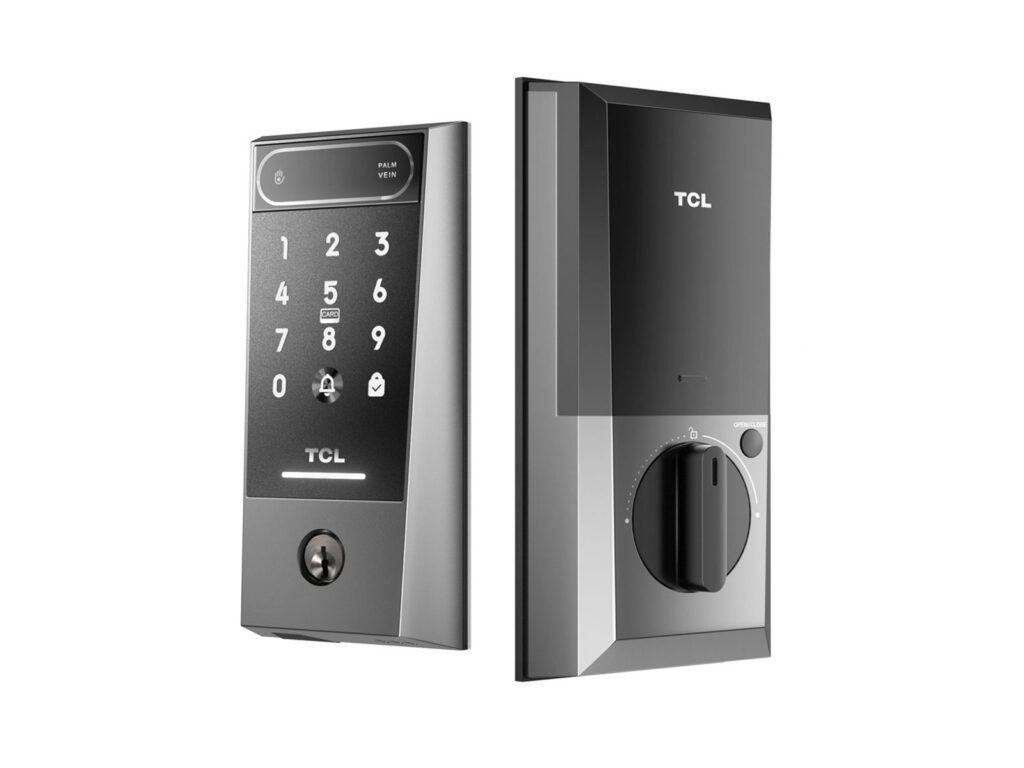
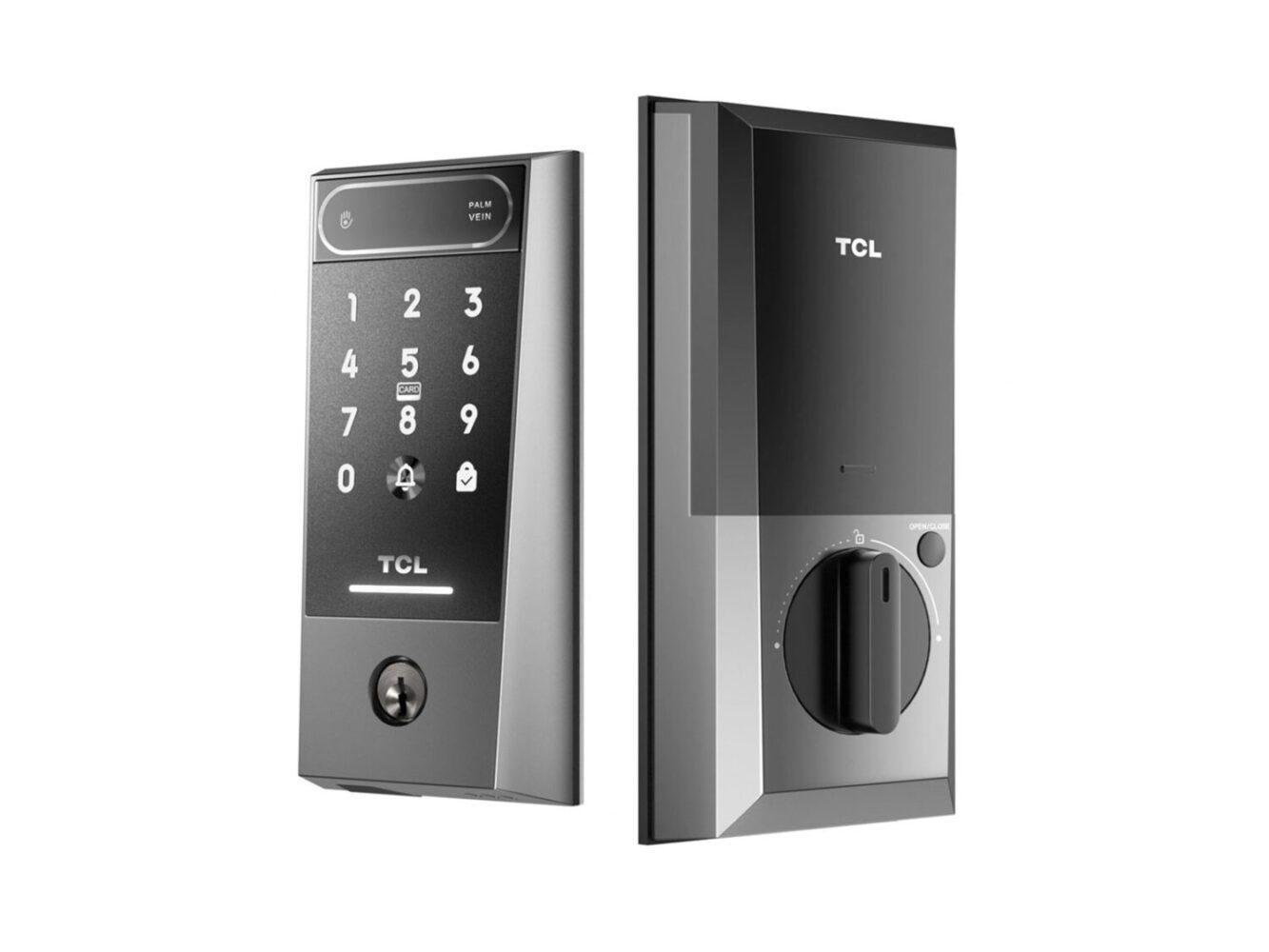
Multiple exhibitors at CES 2026 emphasized Matter compatibility—and for good reason. Matter is the new smart home standard designed to make different brands and platforms work together seamlessly. Both the Lockin V7 Max and various TCL smart locks showcased Matter support, signaling that the days of being locked into one smart home ecosystem may finally be ending.
Quickset’s new Matter-over-Thread smart locks particularly caught attention for making this advanced connectivity more affordable. Thread is a low-power mesh networking protocol that helps smart home devices communicate more efficiently and reliably. Combined with Matter, it creates a smart lock that can integrate with virtually any smart home setup without requiring complicated workarounds or expensive hubs.
What This Means for Homeowners and Property Managers
According to Goldstein’s analysis, CES 2026 marked a turning point where smart locks evolved from “smart” novelties to genuinely practical, reliable security solutions. The convergence of battery-free operation, sophisticated biometrics, seamless smart home integration, and improved everyday usability addresses nearly every major complaint users have had with smart locks over the past decade.
For homeowners, this means security systems that actually make life easier rather than adding another layer of technology to manage. For rental property managers and Airbnb hosts, these advances promise dramatically reduced maintenance, better security, and improved guest experiences through code-free access.
For businesses, the combination of advanced biometrics and Matter integration opens up possibilities for sophisticated access control that was previously only available in expensive enterprise systems.
The Road Ahead
The innovations showcased at CES 2026 represent more than just product releases—they signal a fundamental shift in how we approach home security and access control. As Goldstein noted, smart locks are no longer just smart; they’re reliable, intuitive, and designed for real-world use.
The question is no longer whether smart locks will replace traditional keys, but how quickly these new technologies will become the standard. With solutions to the battery problem, vastly improved biometrics, and seamless smart home integration all arriving simultaneously, that transition may happen faster than anyone expected.
